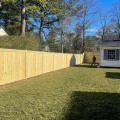
When embarking on a fencing project, the foundation of a successful partnership with your fence contractor lies in clear communication. Understanding the importance of effectively conveying your expectations and preferences cannot be overstated. A well-defined dialogue not only helps in aligning your vision with the contractor's capabilities but also minimizes the risk of misunderstandings that can lead to costly mistakes or unsatisfactory results. Establishing your expectations from the outset sets the tone for the entire project. Whether it’s discussing materials, design aesthetics, or budget constraints, being upfront about what you want ensures that both you and your contractor are on the same page.
This clarity fosters a collaborative environment where ideas can flow freely, allowing for adjustments and refinements that enhance the overall outcome. Moreover, effective communication serves as a safeguard against potential issues that may arise during the installation process. By articulating your preferences clearly, you empower your contractor to make informed decisions that align with your goals. This proactive approach not only streamlines the workflow but also builds trust between you and your contractor, paving the way for a smoother project experience.
Identifying Your Needs and Preferences
Before engaging with a fence contractor, it’s essential to conduct a thorough fence needs assessment. This process involves evaluating your property and understanding the specific requirements that your fence must fulfill.Start by considering the primary purpose of the fence. Are you looking for privacy, security, or simply to enhance the aesthetic appeal of your yard? Each purpose may lead you to different types of fences.Next, think about your preferences for fencing. This includes the material, style, and height of the fence. Common materials include wood, vinyl, chain link, and wrought iron, each offering distinct advantages and disadvantages.
For instance:
- Wood: Offers a natural look and can be customized but requires regular maintenance.
- Vinyl: Low maintenance and durable but may lack the traditional charm of wood.
- Chain Link: Cost-effective and functional but provides minimal privacy.
- Wrought Iron: Highly durable and secure but can be more expensive.
- Privacy Fences: Typically taller and solid, ideal for seclusion.
- Picket Fences: Great for decorative purposes while providing a sense of boundary.
- Security Fences: Often taller with barbed wire or spikes to deter intruders.
Researching Potential Fence Contractors
When it comes to evaluating fence contractors, thorough research is essential to ensure you select a reliable professional who meets your needs. Here are some effective methods to find and assess potential fence contractors:- Online Searches: Start by conducting online searches for local fence contractors.
Use search engines and platforms like Google Maps to find contractors in your area. Look for those with a strong online presence, as this often indicates professionalism.
- Referrals: Ask friends, family, or neighbors for recommendations. Personal experiences can provide valuable insights into the quality of work and customer service.
- Review Websites: Check websites like Yelp, Angie's List, or HomeAdvisor for contractor reviews. Pay attention to both positive and negative feedback to get a balanced view of each contractor's reputation.
- Social Media: Explore social media platforms where contractors may showcase their work.
Look for customer interactions and feedback on their pages, which can give you an idea of their engagement and reliability.
- Licensing and Insurance: Verify that the contractor holds the necessary licenses and insurance. This protects you from liability in case of accidents during the project.
- Experience: Inquire about their experience in the fencing industry. A contractor with a proven track record is more likely to deliver quality work.
- Portfolio: Request to see a portfolio of their previous projects. This will help you assess their style and quality of workmanship.
Speaking directly with previous customers can provide deeper insights into the contractor's reliability and quality of service. By taking these steps, you can confidently choose a fence contractor who aligns with your expectations and preferences.
Preparing for Initial Consultations
Preparing for your initial consultation with a fence contractor is crucial to ensure that your expectations and preferences are clearly communicated. This meeting sets the foundation for your project, so being well-prepared can lead to a smoother process and better results.Gather Essential Information
- Project Scope: Define the purpose of the fence. Is it for privacy, security, or aesthetics? Knowing this will help the contractor suggest appropriate materials and designs.
- Budget: Have a clear idea of your budget range.
This will guide the contractor in recommending options that fit within your financial constraints.
- Property Lines: Familiarize yourself with your property lines and any local zoning laws or HOA regulations that may affect your fence installation.
Key Questions to Ask
- Experience: How long have you been in the fencing business? Can you provide references from previous clients?
- Materials: What types of materials do you recommend for my project, and why? Are there pros and cons to each option?
- Timeline: What is the estimated timeline for completing my project? Are there any factors that could delay the installation?
- Warranty: Do you offer any warranties on your work or the materials used? What does that cover?
- Permits: Will you handle obtaining any necessary permits, or is that my responsibility?
Document Your Preferences
Before the meeting, jot down any specific preferences you have regarding style, color, and height of the fence. Bringing visual aids, such as photos or sketches, can also help convey your vision more effectively.By taking these steps to prepare for your initial consultation, you will not only communicate your expectations clearly but also foster a productive dialogue with potential contractors. This proactive approach can significantly enhance the overall experience of evaluating fence contractors.
Communicating Your Expectations Effectively
When it comes to evaluating fence contractors, effective communication is key to ensuring that your project meets your expectations. Here are some strategies to help you communicate your preferences clearly:- Be Specific About Your Vision: Start by outlining your vision for the fence.
Include details such as the type of materials you prefer, the height and style of the fence, and any specific features like gates or decorative elements. The more specific you are, the easier it will be for the contractor to understand your needs.
- Set Clear Boundaries: Establishing boundaries is crucial in any contractor-client relationship. Discuss your budget upfront and clarify what is included in that budget. This helps prevent misunderstandings later on regarding costs and scope of work.
- Discuss Timelines: Clearly communicate your timeline for the project.
Let the contractor know when you expect the work to begin and when you would like it completed. This helps ensure that both parties are aligned on scheduling and can plan accordingly.
- Encourage Questions: Invite the contractor to ask questions about your preferences. This not only clarifies any uncertainties but also shows that you value their expertise. A good contractor will appreciate this dialogue and may offer insights that enhance your project.
- Use Visual Aids: If possible, provide images or sketches of fences that appeal to you.
Visual aids can bridge gaps in communication and give the contractor a clearer understanding of your expectations.
Discussing Budget and Timeline Considerations
When embarking on a fencing project, one of the most critical conversations you can have with your fence contractor is about your budget and timeline. Addressing these factors early on can help prevent misunderstandings and ensure that both parties are aligned throughout the project.Establishing Your Budget
- Before meeting with potential contractors, determine a realistic budget for your fencing project.
Consider not only the cost of materials and labor but also any additional expenses such as permits or landscaping adjustments.
- Be transparent about your budget during discussions. This openness allows the contractor to suggest options that fit within your financial constraints, whether it’s choosing different materials or adjusting the design.
- Ask for a detailed estimate that breaks down costs. This will help you understand where your money is going and identify areas where you might be able to save.
Discussing Timeline Expectations
- Clearly communicate your desired timeline for the project. Whether you need the fence completed by a specific date or are flexible, sharing this information helps the contractor plan accordingly.
- Inquire about the contractor’s availability and how long they anticipate the project will take.
Factors such as weather conditions, material availability, and their current workload can all impact timelines.
- Establish milestones for the project. This could include dates for when materials will be delivered, when installation will begin, and when you expect completion. Having these checkpoints can help keep the project on track.
Addressing Common Concerns and FAQs
When engaging with fence contractors, homeowners often have several concerns and questions that need addressing to ensure a smooth project.Here are some common inquiries and issues that arise:
Common Concerns with Fence Contractors
- Cost Estimates: Homeowners frequently worry about the accuracy of cost estimates. It's essential to request detailed quotes that break down materials, labor, and any additional fees.
- Timeline: Understanding the project timeline is crucial. Ask your contractor how long the installation will take and what factors could cause delays.
- Quality of Materials: Inquire about the types of materials used. High-quality materials can significantly impact the durability and appearance of your fence.
- Permits and Regulations: Ensure your contractor is knowledgeable about local regulations and can handle necessary permits, as this can affect your project’s legality.
FAQs About Fencing Projects
- What should I do if I have issues with my contractor?
If problems arise, communicate directly with your contractor to address concerns.Document everything and refer to your contract for resolution steps.
- How can I ensure my preferences are met?
Clearly outline your expectations in writing before the project begins. Regular check-ins during the installation can help keep everything on track. - What happens if there are unexpected costs?
Discuss potential unforeseen expenses upfront. A reputable contractor will provide a contingency plan for such situations.
Finalizing Agreements and Contracts
Once you have selected a fence contractor, the next crucial step is finalizing agreements and contracts. This process ensures that both parties are on the same page regarding the scope of work, timelines, and payment terms.Here are some key elements to include in your contract:
- Scope of Work: Clearly define what the contractor will be responsible for, including materials, labor, and any additional services such as cleanup or landscaping.
- Timeline: Specify the start date and estimated completion date. This helps manage expectations and provides a timeline for both parties to adhere to.
- Payment Terms: Outline the total cost of the project, payment schedule (e.g., deposit, progress payments, final payment), and acceptable payment methods.
- Warranties and Guarantees: Include any warranties on materials and workmanship. This protects you in case of defects or issues after installation.
- Permits and Regulations: Clarify who is responsible for obtaining necessary permits and ensuring compliance with local regulations.
- Change Orders: Establish a process for handling any changes to the original plan, including how they will be documented and priced.
If possible, consult with a legal professional to ensure that your interests are protected. A well-drafted contract not only sets clear expectations but also serves as a reference point should any disputes arise during or after the project.By paying attention to these details when finalizing your fencing contract, you can foster a positive working relationship with your contractor and ensure a successful project outcome.
Maintaining Communication Throughout the Project
Effective communication is crucial when working with a fence contractor to ensure that your project runs smoothly and meets your expectations. From the initial consultation to the final installation, maintaining an open line of communication can help prevent misunderstandings and delays.Establishing Communication Channels
- At the outset, discuss and agree on the preferred methods of communication. Whether it’s through phone calls, emails, or text messages, having a clear understanding of how you will communicate can streamline updates and inquiries.
- Set specific times for regular check-ins.
This could be daily or weekly, depending on the project’s scope. Regular updates from your fence contractor can keep you informed about progress and any potential issues that may arise.
Requesting Updates
- Don’t hesitate to ask for updates on the project timeline and any changes that may affect your expectations. A good contractor will appreciate your proactive approach and will be willing to provide you with the necessary information.
- If there are delays due to weather or supply chain issues, ensure that your contractor communicates these promptly. Understanding the reasons behind any changes can help you manage your expectations effectively.
Managing Expectations
- Be clear about your expectations regarding timelines, materials, and design elements from the beginning.
This clarity will help your contractor understand what you envision for your project.
- If you notice something that doesn’t align with your expectations during the project, address it immediately. Early intervention can prevent larger issues down the line.
Conclusion: Building a Successful Partnership with Your Fence Contractor
In conclusion, establishing a successful partnership with your fence contractor hinges on effective communication and a clear understanding of your expectations and preferences. Throughout this article, we have explored various strategies to ensure that both you and your contractor are on the same page, which is essential for a smooth fencing project. First and foremost, it is crucial to articulate your vision clearly.Whether it’s the type of materials you prefer, the design aesthetics, or specific functionalities like privacy or security, sharing these details upfront can prevent misunderstandings later on. Additionally, discussing your budget openly allows the contractor to provide options that align with your financial constraints while still meeting your needs. Moreover, regular check-ins during the project can help address any concerns as they arise. This ongoing dialogue not only fosters trust but also enables adjustments to be made in real-time, ensuring that the final outcome aligns with your initial expectations. Lastly, remember that a successful partnership is built on mutual respect and collaboration. By valuing your contractor's expertise and being open to their suggestions, you can create an environment where both parties feel invested in the project’s success. In summary, by prioritizing clear communication, setting realistic expectations, and fostering a collaborative relationship with your fence contractor, you can significantly enhance the likelihood of achieving a satisfactory and enduring fencing solution.