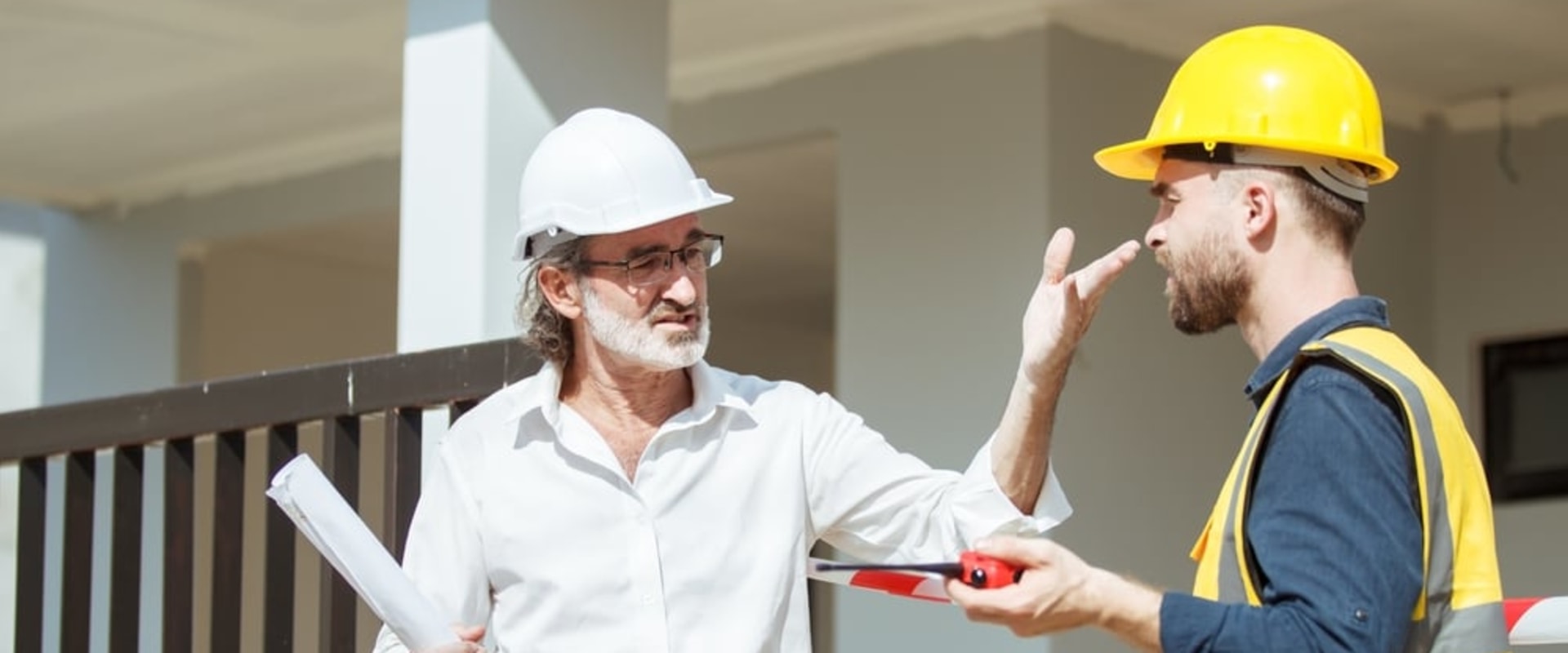
When it comes to enhancing the security and aesthetics of your property, fence contractors play a pivotal role. These professionals are not just installers; they are skilled craftsmen who understand the nuances of various fencing materials, styles, and local regulations. Their expertise extends beyond mere installation; they are responsible for assessing your specific needs, providing recommendations, and ensuring that the project aligns with your vision and budget. Understanding what fence contractors do is essential for homeowners looking to make informed decisions. From the initial consultation to the final touches, these contractors manage every aspect of the fencing project.
This includes site evaluation, material selection, obtaining necessary permits, and adhering to safety standards. A competent contractor will also communicate effectively throughout the process, keeping you informed about timelines and any potential challenges that may arise. Moreover, a reliable fence contractor will offer a clear policy for addressing any issues or concerns that may surface during or after the project. This aspect is crucial as it reflects their commitment to customer satisfaction and quality workmanship. By understanding the role of fence contractors, you can better evaluate their qualifications and ensure that your fencing project is executed smoothly and efficiently.
Evaluating Fence Contractors: Key Considerations
When evaluating fence contractors, it is essential to consider several key factors that can significantly impact the success of your fencing project.Here are some critical criteria to keep in mind:
- Experience: Look for contractors with a proven track record in the fencing industry. Experienced contractors are more likely to understand the nuances of different materials and installation techniques, ensuring a higher quality of work.
- Reputation: Research online reviews and ask for references from previous clients. A contractor with a solid reputation will often have positive feedback regarding their workmanship, reliability, and customer service.
- Licensing and Insurance: Verify that the contractor holds the necessary licenses and insurance. This protects you from liability in case of accidents during the project and ensures that the contractor adheres to local regulations.
- Portfolio of Work: Request to see examples of past projects.
A diverse portfolio can give you insight into the contractor's style and capabilities, helping you determine if they align with your vision.
- Communication: Effective communication is vital throughout the project. Choose a contractor who is responsive to your inquiries and willing to discuss your concerns openly.
- Timely Response: Ensure that the contractor commits to addressing concerns promptly.
- Warranties: Inquire about warranties on both materials and workmanship, which can provide peace of mind regarding long-term durability.
- Follow-Up Services: Ask if they offer follow-up services or inspections after project completion to ensure everything remains in good condition.
Common Issues During Fence Installation Projects
When embarking on a fencing project, homeowners often encounter a variety of common issues that can arise during installation.Understanding these potential challenges can help you prepare and mitigate their impact.
- Delays in Material Delivery: One of the most frequent problems is delays in the delivery of fencing materials. This can be caused by supply chain issues or miscommunication with suppliers. Such delays can extend the project timeline and lead to frustration.
- Weather Conditions: Inclement weather can halt progress on your fence installation. Rain, snow, or extreme temperatures may prevent contractors from working safely and effectively, leading to further delays.
- Property Line Disputes: Before installation begins, it’s crucial to confirm property boundaries.
Disputes with neighbors over property lines can lead to costly adjustments or even legal issues if not addressed early on.
- Unexpected Ground Conditions: The condition of the ground where the fence is to be installed can pose challenges. Rocky soil, underground utilities, or unexpected drainage issues may require additional work and resources.
- Poor Communication: Effective communication between you and your contractor is vital. Misunderstandings regarding design preferences, timelines, or budget constraints can lead to dissatisfaction with the final product.
By being proactive and informed about these common issues, you can better manage your fencing project and achieve a satisfactory outcome.
Establishing Clear Communication with Your Contractor
Effective communication is the cornerstone of a successful fencing project. Establishing a clear line of communication with your fence contractor can help prevent misunderstandings and ensure that any issues are addressed promptly. Here are some strategies to maintain an open dialogue:- Set Expectations Early: At the outset of the project, discuss your expectations regarding timelines, materials, and budget. This will help both you and the contractor stay aligned throughout the process.
- Regular Check-Ins: Schedule regular updates to discuss progress and any potential concerns.
This could be weekly or bi-weekly meetings, depending on the project's scale.
- Use Clear Language: Avoid jargon and be as specific as possible when discussing your needs. If you have particular preferences or requirements, make sure to articulate them clearly.
- Document Everything: Keep a record of all communications, including emails, texts, and meeting notes. This documentation can be invaluable if any disputes arise later.
- Encourage Feedback: Create an environment where your contractor feels comfortable sharing their insights or concerns. This two-way communication can lead to better solutions and a smoother project flow.
Follow up with your contractor to address any lingering issues or concerns. A good contractor will appreciate your feedback and may offer solutions or warranties for their work.In summary, effective communication with your fence contractor is essential for navigating challenges during and after the project. By setting clear expectations, maintaining regular contact, and encouraging open dialogue, you can foster a positive working relationship that leads to successful outcomes.
Addressing Issues During the Project: Best Practices
When working with a fence contractor, issues may arise that can disrupt the flow of the project. Addressing these concerns promptly and effectively is crucial for maintaining a positive working relationship and ensuring project success.Here are some best practices for handling issues during the project:
- Communicate Openly: Establish a clear line of communication with your contractor from the outset. If you notice any problems, such as delays or quality concerns, address them immediately. Use direct and respectful language to express your concerns.
- Document Everything: Keep a detailed record of all communications, agreements, and changes made during the project. This documentation can be invaluable if disputes arise later.
Take photos of the work at various stages to have a visual record.
- Stay Calm and Professional: Emotions can run high when issues occur. Approach the situation calmly and professionally. Avoid confrontational language; instead, focus on finding solutions together.
- Set Clear Expectations: Before the project begins, ensure that both you and the contractor have a mutual understanding of timelines, costs, and quality standards. If expectations are not met, refer back to this agreement during discussions.
- Involve a Third Party if Necessary: If you cannot resolve an issue directly with your contractor, consider involving a neutral third party, such as a mediator or an industry expert.
This can help facilitate a resolution without escalating tensions.
Post-Project Concerns: What to Do After Installation
After the installation of your fence, it’s not uncommon for homeowners to have concerns or issues that arise. Addressing these promptly can ensure long-term satisfaction with your investment. Here are some common post-project concerns and how to handle them:- Quality of Work: If you notice any defects or issues with the installation, such as uneven panels or loose posts, contact your contractor immediately.
Most reputable contractors will have a policy in place for addressing such concerns, often outlined in your contract.
- Maintenance Questions: After installation, you may have questions about how to maintain your fence. This can include inquiries about cleaning methods, recommended treatments, or seasonal care. A good contractor should provide you with a maintenance guide or be available for follow-up questions.
- Warranty Issues: Many fence installations come with a warranty that covers specific issues for a set period. Familiarize yourself with the terms of this warranty.
If you encounter problems that fall under warranty coverage, document the issue and reach out to your contractor to initiate a claim.
FAQs About Handling Issues with Fence Contractors
When engaging with a fence contractor, it's essential to understand how to address any issues or concerns that may arise during or after the project.Here are some frequently asked questions that can help clarify this process:
- What should I do if I notice a problem during the installation?
If you observe any issues while the fence is being installed, such as misalignment or incorrect materials, it’s crucial to address them immediately. Contact your contractor on-site and discuss your concerns. Document the issue with photos and notes for future reference. - How can I resolve disputes with my fence contractor?
Start by having an open conversation with your contractor about the dispute. If that doesn’t lead to a resolution, refer to your contract for any dispute resolution clauses.Mediation or arbitration may be options if direct communication fails.
- What if the project is not completed on time?
Delays can happen for various reasons, but it’s important to communicate with your contractor about the timeline. Ask for a revised schedule and ensure you have it in writing. If delays are excessive, consider discussing penalties outlined in your contract. - How do I handle warranty issues after the project is completed?
Most reputable contractors offer warranties on their work. If you encounter issues after completion, review your warranty terms and contact your contractor promptly.Keep records of all communications and repairs needed.
- Can I leave a review if I'm unhappy with the service?
Yes, leaving a review is a way to share your experience. However, it’s best to try resolving the issue directly with the contractor first. If you still feel dissatisfied, honest reviews can help inform other potential clients.
Conclusion: Ensuring a Smooth Experience with Your Fence Contractor
In conclusion, navigating the process of hiring a fence contractor can be a rewarding experience when approached with careful consideration and clear communication. Throughout this article, we have emphasized the importance of evaluating fence contractors based on their qualifications, experience, and customer feedback.However, even with thorough vetting, issues may arise during or after the project. To ensure a smooth experience, it is crucial to establish a clear policy for handling any concerns. Here are some key points to keep in mind:
- Open Communication: Maintain an open line of communication with your contractor. Discuss any issues as they arise rather than waiting until the project is complete.
- Document Everything: Keep records of all communications, agreements, and changes made during the project. This documentation can be invaluable if disputes occur.
- Set Expectations: Clearly outline your expectations regarding timelines, quality of work, and payment schedules in the contract.
This helps prevent misunderstandings later on.
- Addressing Concerns Promptly: If you notice any problems, address them immediately with your contractor. A reputable contractor will appreciate your feedback and work to resolve issues quickly.
- Post-Project Follow-Up: After the project is completed, follow up with your contractor to ensure that all aspects of the job meet your satisfaction. This can also help in establishing a long-term relationship for future projects.