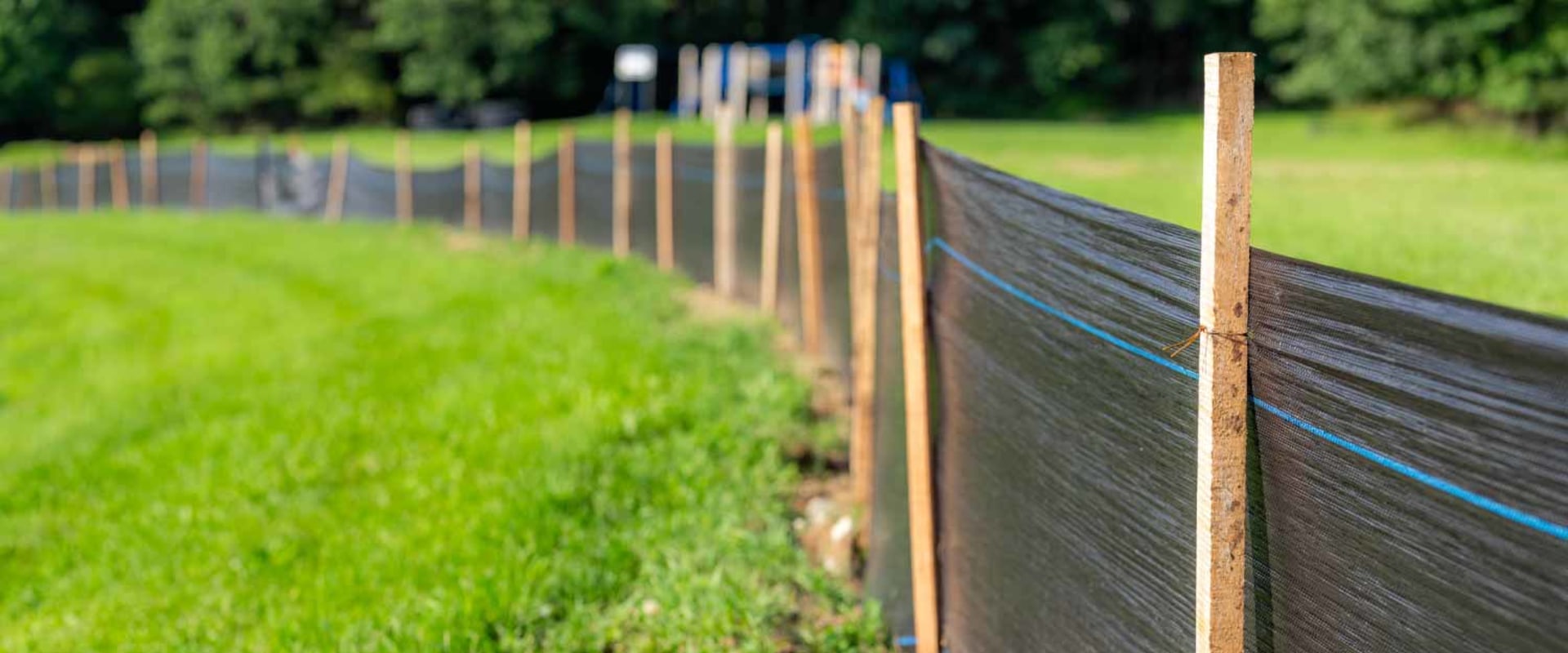
When it comes to evaluating fence contractors, understanding the nuances of the installation process is crucial for homeowners. Installing a fence is not just about choosing the right materials and design; it also involves a significant amount of planning and coordination, much like discovering the greek culture requires attention to detail and an appreciation for tradition. One common question that arises during this process is whether you need to be present for the entire duration of the installation. This inquiry highlights the importance of communication and trust between you and your chosen contractor. Being involved in the installation process can provide you with peace of mind, ensuring that your vision is accurately translated into reality. , understanding the nuances of the installation process is crucial for homeowners. Installing a fence is not just about choosing the right materials and design; it also involves a significant amount of planning and coordination, much like discovering the greek culture requires attention to detail and an appreciation for tradition. One common question that arises during this process is whether you need to be present for the entire duration of the installation. This inquiry highlights the importance of communication and trust between you and your chosen contractor. Being involved in the installation process can provide you with peace of mind, ensuring that your vision is accurately translated into reality.
However, it’s essential to recognize that a professional contractor should be capable of managing the project independently. Evaluating their experience, reputation, and communication skills can help you determine how much oversight you truly need. A reliable contractor will not only keep you informed but will also respect your time and preferences. As you embark on this journey of fence installation, consider what level of involvement feels right for you. Are you comfortable stepping away while the work is done, or do you prefer to be hands-on? Understanding your role in this process will not only help in evaluating potential contractors but also ensure that your expectations are met throughout the project.
The Importance of Choosing the Right Fence Contractor
When it comes to fence installation, the choice of contractor can significantly influence the outcome of your project.Selecting the right fence contractor is not just about finding someone who can build a fence; it’s about ensuring that the entire process is handled professionally and efficiently.
Factors to Consider When Choosing a Fence Contractor
- Experience and Expertise: Look for contractors with a proven track record in fence installation. Experienced contractors are more likely to anticipate challenges and provide effective solutions.
- Reputation: Research online reviews and ask for references. A contractor with positive feedback from previous clients is often a reliable choice.
- Licensing and Insurance: Ensure that the contractor is licensed and insured. This protects you from liability in case of accidents during the installation process.
- Quality of Materials: Inquire about the materials they use.
A good contractor will offer high-quality options that enhance durability and aesthetics.
- Communication: Choose a contractor who communicates clearly and promptly. Good communication can prevent misunderstandings and ensure that your vision is realized.
By considering factors such as experience, reputation, and communication skills, you can make an informed decision that leads to a satisfactory outcome for your fencing project.
Understanding the Fence Installation Process
When considering a fence installation, understanding the fence installation process is crucial. This knowledge not only helps you prepare for the project but also allows you to evaluate the professionalism of your chosen contractor. Here’s a breakdown of the typical steps involved in the installation:- Initial Consultation: The process begins with a consultation where you discuss your needs, preferences, and budget with the contractor. This is an opportunity to ask questions and clarify any concerns.
- Site Assessment: The contractor will visit your property to assess the area where the fence will be installed.
They will check for any obstacles, property lines, and local regulations that may affect the installation.
- Design and Planning: Based on the consultation and site assessment, the contractor will propose a design. This includes selecting materials, styles, and colors that align with your vision.
- Permitting: Depending on local laws, you may need permits before installation can begin. A reputable contractor will handle this process for you.
- Installation Day: On the day of installation, the contractor will arrive with their team and materials. They will typically start by marking the layout of the fence and digging post holes.
- Post Installation: After setting up the posts, they will attach panels or boards according to your chosen design.
This step may take several hours to complete.
- Final Touches: Once the fence is up, the team will clean up the site, ensuring that any debris is removed. They may also provide maintenance tips for your new fence.
Do You Need to Be Present During Installation?
When considering whether to be present during the entire installation process with a fence contractor, there are several factors to weigh.While it may not be strictly necessary for homeowners to supervise every moment, being involved can have its advantages.
Pros of Being Present
- Direct Communication: Being on-site allows for immediate communication with the contractor. If any questions or concerns arise, you can address them right away.
- Quality Assurance: Your presence can help ensure that the installation meets your expectations and adheres to the agreed-upon specifications.
- Decision-Making: If unexpected issues come up, such as changes in terrain or material availability, you can make decisions on the spot rather than waiting for updates.
Cons of Being Present
- Time Commitment: Fence installation can take several hours or even days, which may require a significant time investment from you.
- Trust in Professionals: If you’ve thoroughly vetted your contractor and feel confident in their abilities, you might find it unnecessary to oversee every step of the process.
- Potential Stress: Being present might lead to increased stress, especially if you feel compelled to micromanage the installation.
Factors Influencing Your Presence During Installation
When considering whether to be present during the installation of your fence, several factors come into play that can influence your decision.- Trust in the Contractor: One of the primary factors is your level of trust in the fence contractor. If you have thoroughly vetted the contractor, checked their references, and feel confident in their abilities, you may feel comfortable stepping away during the installation.
Conversely, if you have any doubts about their reliability or professionalism, it may be wise to stay on-site.
- Complexity of the Project: The complexity of the installation can also dictate your presence. For straightforward projects, such as installing a simple picket fence, you might not need to oversee every step. However, for more intricate designs or installations that require special permits or techniques, being present can help ensure that everything is executed according to your specifications.
- Homeowner Involvement: Your personal preference for involvement plays a significant role as well. Some homeowners enjoy being hands-on and want to engage with the process, while others prefer to let the professionals handle it.
If you have specific questions or concerns about the installation process, being present allows you to address them in real-time.
- Communication: Effective communication with your contractor can also alleviate concerns about not being present. If you establish clear lines of communication before the project begins—such as regular updates via text or phone calls—you may feel more at ease stepping away during installation.
What to Communicate with Your Fence Contractor Before Installation
Effective communication with your fence contractor before installation is crucial for a successful project. Here are some key points to discuss:- Project Timeline: Clarify the expected start and completion dates.
Understanding the timeline helps you plan accordingly and ensures that both parties are aligned on deadlines.
- Materials and Design: Discuss the types of materials you prefer and the design you envision. Ask your contractor for recommendations based on durability, aesthetics, and budget. This conversation can help avoid misunderstandings later on.
- Permits and Regulations: Inquire about any necessary permits or local regulations that may affect your installation. A knowledgeable contractor should be able to guide you through this process, ensuring compliance with local laws.
- Access to Property: Make sure to communicate any access issues that may arise during installation.
Inform your contractor about gates, driveways, or other obstacles that could hinder their work.
- Payment Terms: Discuss payment schedules and methods upfront. Understanding the financial aspects can prevent disputes later in the project.
- What is your experience with similar projects?
- Can you provide references from previous clients?
- What is included in your warranty?
Common Concerns About Being Present During Installation
When hiring a fence contractor, many homeowners express concerns about whether they need to be present during the entire installation process. Here are some common worries and reassurances regarding this topic:- Communication Issues: Homeowners often fear that if they are not present, important details may be overlooked. To address this, establish clear communication with your contractor beforehand.
Discuss your expectations and any specific instructions you have regarding the installation.
- Quality of Work: Another common concern is the quality of work being performed in the homeowner's absence. To alleviate this worry, consider asking for references or viewing previous projects completed by the contractor. This can provide peace of mind that they will uphold high standards even when you are not there.
- Safety and Security: Homeowners may also worry about the safety of their property and the security of their belongings during installation. Ensure that your contractor has a plan in place for securing tools and materials when work is not in progress.
Additionally, you can arrange for a neighbor or friend to check on the site if you cannot be there.
- Unexpected Issues: Sometimes, unforeseen problems arise during installation, leading to concerns about how these will be handled without your oversight. Discuss with your contractor how they will communicate any issues that arise and what steps they will take to resolve them.
Conclusion: Making an Informed Decision About Your Presence
In conclusion, deciding whether to be present during the entire installation process with a fence contractor is a nuanced decision that depends on several factors. Throughout this article, we have explored the various aspects of evaluating fence contractors and the implications of your presence during installation.First and foremost, it is essential to consider the level of trust you have in your chosen contractor.If you have thoroughly vetted their credentials, checked references, and reviewed their past work, you may feel comfortable allowing them to proceed without your constant oversight. However, if you have any reservations, being present can provide peace of mind and ensure that the project aligns with your expectations.Additionally, your involvement can facilitate better communication. Being on-site allows you to address any questions or concerns that may arise in real-time, ensuring that the installation process runs smoothly. This can be particularly important for complex projects where specific details need to be clarified.
- Trust in Contractor: Assess their reputation and past performance.
- Communication: Being present can enhance clarity and address issues promptly.
- Project Complexity: More intricate installations may require your input.
If you choose to step away during parts of the installation, consider scheduling regular check-ins or asking for updates to stay informed about progress. This balanced approach allows you to maintain oversight while also respecting the contractor's expertise.By making an informed decision regarding your presence during the installation process, you can ensure that your fencing project meets your expectations and enhances your property effectively.