When considering a new fence for your property, understanding the average cost for fence installation is crucial. The price can vary significantly based on several factors, including the type of materials used, the size of the area to be fenced, and the complexity of the installation. Engaging a professional gutter installation companyprofessional gutter installation company not only ensures quality workmanship but also provides insights into the various options available to fit your budget and aesthetic preferences. Evaluating fence contractors involves more than just comparing prices; it requires an understanding of what influences these costs. For instance, different materials such as wood, vinyl, or chain link come with their own price points and maintenance requirements.
Additionally, geographical location can play a significant role in pricing due to labor costs and local regulations. By grasping these elements, homeowners can make informed decisions that align with their financial plans while ensuring they receive a durable and attractive fence. In this article, we will delve deeper into the specifics of fence installation costs, exploring how to evaluate potential contractors effectively. This knowledge will empower you to navigate the complexities of hiring a professional while ensuring that your investment yields long-term satisfaction and value.
Factors Influencing Fence Installation Costs
When considering the average cost for a fence installation, several key factors come into play that can significantly influence the final price. Understanding these elements can help homeowners budget effectively and choose the right contractor.- Materials Used: The type of material selected for the fence is one of the most significant cost determinants.
Common materials include:
- Wood: Often the most affordable option, but prices can vary based on wood type and treatment.
- Vinyl: More expensive upfront but offers durability and low maintenance.
- Chain Link: Generally the least expensive, ideal for security without aesthetics.
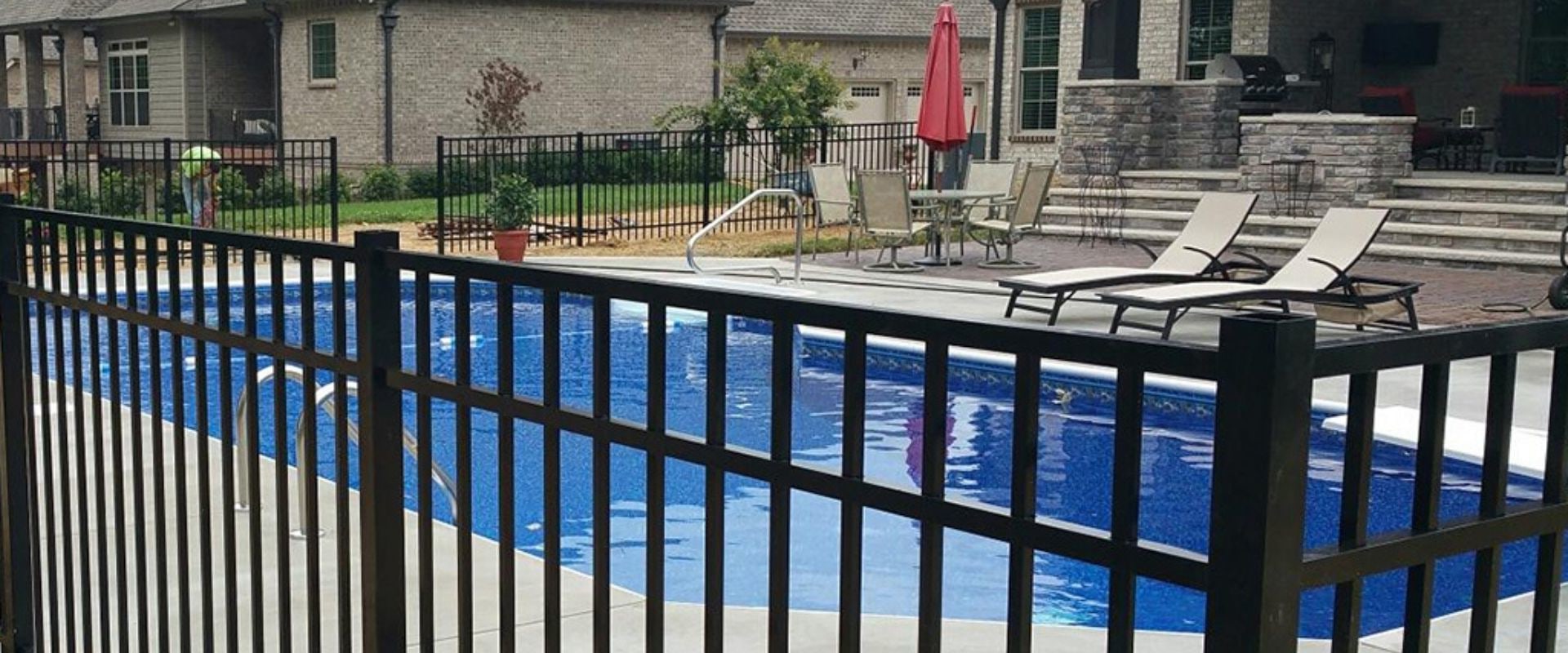
- Metal: Options like aluminum or wrought iron can be costly but provide longevity and style.
- Labor Costs: Labor is another critical factor in the overall cost. Professional contractors typically charge based on:
- The complexity of the installation.
- The experience level of the crew.
- The time required to complete the job.
- Location: Geographic location plays a vital role in determining costs. Factors include:
- Local labor rates: Urban areas may have higher labor costs compared to rural regions.
- Permitting and regulations: Some areas require permits that can add to expenses.
- Accessibility: Difficult terrain or limited access can increase labor time and costs.
Average Cost Breakdown by Fence Type
When considering a fence installation, understanding the average costs associated with different types of fences is crucial.Each material comes with its own pricing structure, influenced by factors such as durability, maintenance, and aesthetic appeal.
Average Cost of Wood Fences
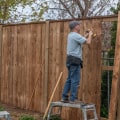
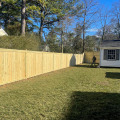
Wood fences are a popular choice for homeowners due to their natural look and versatility. The average cost for installing a wood fence typically ranges from $15 to $30 per linear foot. This price can vary based on the type of wood selected, with options like cedar and redwood being more expensive than pressure-treated pine. Additionally, labor costs can add another $5 to $10 per linear foot , depending on the complexity of the installation.Vinyl Fence Pricing
Vinyl fences are known for their low maintenance and long-lasting durability.The average cost for vinyl fence installation generally falls between $20 and $40 per linear foot. While the initial investment is higher than wood, vinyl does not require painting or staining, which can save money in the long run. Labor costs for vinyl installation are similar to wood, averaging around $5 to $15 per linear foot .
Chain Link Fence Costs
If you're looking for a budget-friendly option, chain link fences are often the most economical choice. The average cost for chain link fence installation ranges from $10 to $20 per linear foot.This includes both materials and labor. Chain link is particularly appealing for those needing security without obstructing visibility. However, keep in mind that additional features like privacy slats or coatings can increase the overall cost.In summary, when evaluating fence contractors, it's essential to consider these average costs based on your preferred fence type. This knowledge will help you make an informed decision that aligns with your budget and aesthetic preferences.
Labor Costs: What to Expect from Professional Contractors
When considering a fence installation, understanding labor costs is crucial for budgeting and planning.The fees charged by professional contractors can vary significantly based on several factors, including the type of fence, the complexity of the installation, and regional labor rates.
Average Labor Costs
- On average, homeowners can expect to pay between $30 to $80 per hour for labor.
- For a standard fence installation, labor costs typically range from $1,000 to $3,000, depending on the size of the project.
- Specialty fences, such as wrought iron or custom wood designs, may incur higher labor fees due to the skill required.
- Type of Fence: Different materials require varying levels of expertise and time to install. For instance, vinyl fences are generally easier to install than wooden ones.
- Site Conditions: If your yard has uneven terrain or obstacles like trees and rocks, this can increase labor time and costs.
- Contractor Experience: More experienced contractors may charge higher rates but often provide better quality work and faster installation.
- Get Multiple Quotes: Always obtain at least three estimates from different contractors to compare prices and services offered.
- Check References: Look for reviews or ask for references to ensure you’re hiring a reputable contractor who delivers quality work.
- Understand the Breakdown: Request a detailed breakdown of costs in the quote, including labor, materials, and any additional fees.
Additional Costs to Consider in Fence Installation
When planning a fence installation, it's crucial to consider not just the initial costs but also the additional fees that may arise. These can significantly impact your overall budget and should be factored in from the start.Permits
Many municipalities require a permit for fence installation, especially if the fence exceeds a certain height or is located near property lines.The cost of these permits can vary widely depending on your location, ranging from $20 to several hundred dollars. It's essential to check with your local zoning office to understand the specific requirements and associated costs.
Maintenance Costs
Once your fence is installed, ongoing maintenance is another cost to consider. Different materials have varying maintenance needs:- Wood Fences: Typically require regular staining or painting every few years to prevent rot and weather damage.
- Vinyl Fences: Generally low-maintenance but may need occasional cleaning to remove dirt and mildew.
- Chain Link Fences: Require minimal upkeep but may need rust treatment if not coated properly.
Potential Repairs
Over time, fences can suffer from wear and tear due to weather conditions, pests, or accidents. Setting aside a budget for repairs is wise.Depending on the extent of damage, repair costs can range from minor fixes like replacing a few boards to more significant expenses such as replacing entire sections of the fence.In summary, while evaluating fence contractors and their installation costs, don't overlook these additional expenses. By planning for permits, maintenance, and potential repairs, you can ensure a smoother installation process and long-term satisfaction with your investment.
How to Evaluate and Choose a Fence Contractor
Choosing the right fence contractor is crucial for ensuring that your installation is done correctly and efficiently. Here are some essential tips to help you evaluate fence contractors effectively:- Check Reviews and References: Start by looking for online reviews on platforms like Google, Yelp, or Angie's List. Pay attention to both positive and negative feedback.
Additionally, ask potential contractors for references from previous clients. Speaking directly with past customers can provide valuable insights into the contractor's reliability and quality of work.
- Request Multiple Quotes: Don’t settle for the first quote you receive. Contact at least three contractors to get a range of estimates. This will not only give you a better idea of the average cost but also allow you to compare the services offered.
Ensure that each quote includes a detailed breakdown of materials, labor, and any additional fees.
- Verify Credentials: Ensure that the contractor is licensed and insured. A valid license indicates that they meet local regulations and standards, while insurance protects you from liability in case of accidents during the installation process.
- Assess Communication: Pay attention to how promptly and clearly the contractor communicates with you. A reliable contractor should be responsive to your inquiries and willing to explain their process in detail.
- Inquire About Workmanship Guarantees: A reputable contractor should stand behind their work. Ask about any warranties or guarantees they offer on their installations.
This can provide peace of mind that they are committed to quality workmanship.
Frequently Asked Questions about Fence Installation Costs
When considering a fence installation, homeowners often have numerous questions regarding costs and processes. Here are some of the most frequently asked questions about fence installation costs.What factors influence the cost of fence installation?
The cost of installing a fence can vary significantly based on several factors, including:- Material: Different materials such as wood, vinyl, chain link, and wrought iron come with varying price points.
- Height and Length: The overall size of the fence directly impacts the total cost; taller and longer fences require more materials and labor.
- Terrain: Uneven or rocky terrain may require additional labor and equipment, increasing installation costs.
- Labor Costs: Hiring a professional contractor will add to the overall expense, with rates varying by region and contractor experience.
How much should I expect to pay for professional installation?
The average cost for professional fence installation typically ranges from $1,500 to $4,000, depending on the factors mentioned above. For example:- A basic wooden fence may cost around $15 to $30 per linear foot.
- A vinyl fence can range from $20 to $40 per linear foot.
- Chain link fences are generally more affordable, averaging $10 to $20 per linear foot.
Are there any hidden costs I should be aware of?
Yes, homeowners should be mindful of potential hidden costs that can arise during the installation process:- Permits: Some areas require permits for fence installation, which can add to your overall expenses.
- Removal of Old Fences: If you have an existing fence that needs to be removed, this will incur additional labor costs.
- Post-Installation Maintenance: Consider future maintenance costs such as staining or repairs that may be necessary over time.
Conclusion: Making Informed Decisions on Fence Installation
In conclusion, understanding the average cost for a fence installation by a professional contractor is crucial for homeowners looking to enhance their property.Throughout this article, we have explored various factors that influence fencing costs, including materials, labor, and the complexity of the installation process. By being informed about these elements, you can better prepare your budget and expectations.When evaluating fence contractors, it is essential to consider not only the price but also the quality of work and customer service. Here are some key takeaways to keep in mind:
- Research Multiple Quotes: Always obtain quotes from at least three different contractors to ensure you are getting a fair price.
- Check References: Look for reviews and testimonials from previous clients to gauge the contractor's reliability and workmanship.
- Verify Credentials: Ensure that the contractor is licensed and insured to protect yourself from potential liabilities.
- Discuss Warranty Options: Inquire about warranties on both materials and labor to safeguard your investment.
By taking the time to evaluate your options carefully, you can find a contractor who meets your needs and delivers a fence that enhances your property’s value and aesthetics.Investing in a fence is not just about securing your space; it’s about creating a lasting impression. Therefore, prioritize thorough research and thoughtful evaluation of contractors to ensure a successful installation experience.