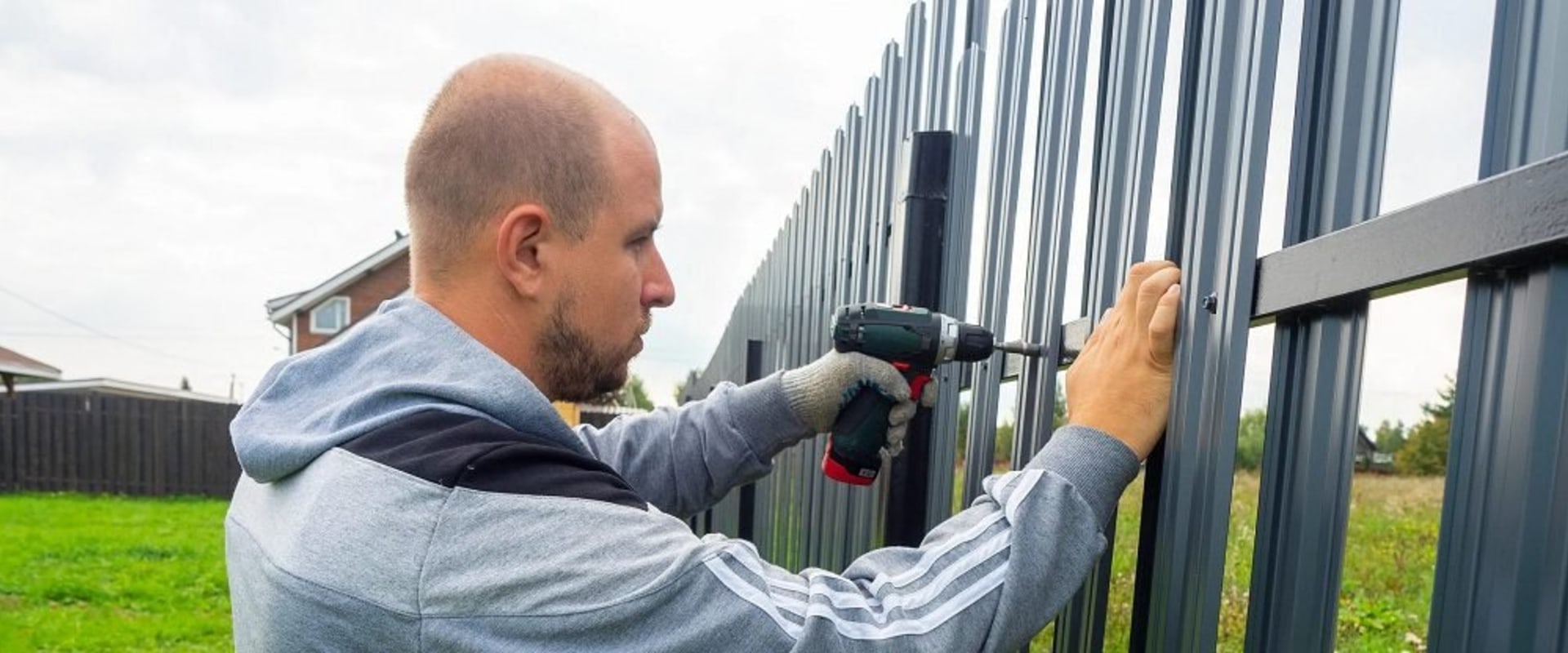
When considering a fencing project, understanding the role of a fence contractor is crucial. A fence contractor is a specialized professional who manages the entire process of installing or repairing fences. Their responsibilities extend beyond merely putting up panels; they are involved in assessing the site, recommending suitable materials, and ensuring that the installation complies with local regulations and standards. This expertise is invaluable for homeowners who may not be familiar with the intricacies of fencing. Typically, a fence contractor will conduct an initial consultation to discuss your needs and preferences.
They will evaluate the property, taking into account factors such as terrain, existing structures, and local zoning laws. Based on this assessment, they can provide recommendations on the best types of fencing materials—be it wood, vinyl, chain link, or wrought iron—that suit both your aesthetic desires and functional requirements. This comprehensive approach ensures that you receive a fence that not only enhances your property’s curb appeal but also meets your security and privacy needs. Moreover, hiring a qualified fence contractor means you benefit from their experience in managing the logistics of the project. They handle everything from obtaining necessary permits to coordinating with suppliers and scheduling labor.
This alleviates much of the stress associated with DIY projects and allows you to focus on other aspects of your home improvement plans. Understanding these roles will help you determine whether you need to provide any materials or equipment for your fencing project.
Common Practices in Fencing Projects
When embarking on a fencing project, understanding the common practices regarding materials and equipment is crucial for a smooth collaboration with your fence contractor. Typically, the responsibilities for providing materials can vary based on the agreement between the client and the contractor.Materials Provided by Contractors
- Fencing Materials: Most contractors will supply the essential materials needed for the fence installation, including posts, panels, gates, and hardware. This ensures that the materials meet industry standards and are suitable for your specific project.
- Tools and Equipment: Contractors usually come equipped with the necessary tools for installation, such as post hole diggers, saws, and levels.
This not only saves you from purchasing or renting expensive equipment but also guarantees that the job is done efficiently.
- Waste Disposal: Many contractors include waste removal in their services, ensuring that any leftover materials or debris are properly disposed of after the project is completed.
Client Responsibilities
- Site Preparation: While contractors handle the installation, clients may need to prepare the site by clearing any obstacles such as rocks, plants, or old fencing. This preparation can significantly impact the timeline and efficiency of the project.
- Permits and Regulations: Clients are often responsible for obtaining any necessary permits or ensuring compliance with local regulations regarding fencing. This step is vital to avoid potential legal issues down the line.
- Design Choices: Clients should also be prepared to make decisions regarding design elements such as height, style, and material preferences. Clear communication about these choices can help contractors deliver results that align with your vision.
Understanding these common practices will help you evaluate potential contractors more effectively and set clear expectations from the outset.
Factors Influencing Material Provision
When considering whether to provide materials for your fencing project, several factors come into play. Understanding these can help you make informed decisions and ensure a smooth collaboration with your fence contractor.- Project Size: The scale of your fencing project significantly influences material provision. For larger projects, contractors may prefer to source materials themselves to ensure consistency and quality across the entire installation. Conversely, for smaller projects, clients might opt to purchase materials directly to save on costs.
- Type of Fence: Different types of fences require varying materials.
For instance, a wooden fence may necessitate specific types of wood and fasteners, while a vinyl fence will have different requirements. If you have a particular style in mind, discussing this with your contractor can clarify whether you should provide the materials or if they will handle it.
- Local Regulations: Local building codes and regulations can also dictate material choices. Some areas may have restrictions on certain materials or require specific certifications. It’s essential to consult with your contractor about these regulations to avoid any compliance issues.
- Client vs Contractor Materials: In some cases, contractors may have preferred suppliers or brands they trust, which can affect the decision on who provides the materials.
If you have a specific brand or type of material in mind, communicate this early in the process to see if it aligns with the contractor's practices.
When You Might Need to Provide Materials
When working with a fence contractor, there are specific scenarios where you might need to provide your own materials. Understanding these situations can help streamline the project and ensure that your vision is realized.Custom Designs
If you have a custom fence design in mind, it’s possible that the contractor may not have the exact materials needed to bring your idea to life. For instance, if you want a unique wood species or a specific type of decorative hardware, you might need to source these materials yourself.Discussing your design preferences with the contractor early on can clarify whether you should provide any specific items.
Unique Requirements
In some cases, local building codes or neighborhood regulations may dictate certain materials that must be used. If your project falls under these guidelines, you may need to supply specific materials that comply with these rules. Always check with your contractor about any such requirements before proceeding.DIY vs Contractor Materials
Another factor to consider is whether you plan to take a DIY approach for part of the project. If you’re handling certain aspects of the installation yourself, such as digging post holes or preparing the site, you might want to purchase materials that match your vision.This can include items like fence panels, posts, and gates. However, if you’re relying entirely on the contractor’s expertise, they will typically provide all necessary materials.
Specific Scenarios
- Repurposed Materials: If you're interested in using reclaimed wood or other repurposed materials for an eco-friendly fence, be prepared to source these items yourself.
- Specialty Fencing: For unique fencing options like vinyl or ornamental iron, contractors may not stock every style or color, necessitating client-supplied materials.
- Budget Constraints: If you're working within a tight budget, purchasing materials directly can sometimes save costs compared to contractor markups.
Questions to Ask Your Fence Contractor
When evaluating fence contractors, it's crucial to engage in open communication regarding materials and equipment. Here are some essential questions to ask:- What materials do you recommend for my project? Understanding the types of materials available, such as wood, vinyl, or metal, can help you make an informed decision based on durability, aesthetics, and maintenance.
- Will you provide the materials, or do I need to source them? Clarifying whether the contractor will supply the necessary materials or if you are responsible for purchasing them can prevent misunderstandings later on.
- What is included in your quote? Ensure that the quote covers all aspects of the project, including labor, materials, and any additional equipment needed for installation.
- Do you have a preferred supplier for materials? Knowing if the contractor has established relationships with suppliers can lead to better pricing and quality assurance.
- How do you handle material shortages or delays? It's important to understand their contingency plans in case of unexpected issues with material availability.
- What equipment will be used during installation? Inquire about the tools and machinery that will be utilized to ensure they are appropriate for your property and project type.
- Can I see samples of the materials before making a decision? Requesting samples can help you visualize how different materials will look once installed and ensure they meet your expectations.
This proactive approach can lead to a smoother project execution and ultimately a more satisfying outcome.
Cost Implications of Providing Materials
When considering a fencing project, one of the key budget considerations is whether to provide your own materials or let the fence contractor supply them. This decision can significantly impact the overall cost of providing materials for the fence.By supplying your own materials, you may have the opportunity to save on labor costs, as contractors often mark up the price of materials. However, it’s essential to weigh these potential savings against several factors:- Quality of Materials: If you choose to provide your own materials, ensure they meet industry standards. Low-quality materials can lead to higher long-term costs due to repairs or replacements.
- Pricing Factors: The cost of materials can vary widely based on type, quality, and local availability.
Researching prices beforehand can help you make informed decisions.
- Contractor Preferences: Some contractors may prefer to source their own materials due to established relationships with suppliers or specific product knowledge. This can affect their willingness to work with client-supplied materials.
- Time Considerations: Providing your own materials may extend the timeline of the project if you need to shop around or if there are delays in delivery.
Conclusion: Making Informed Decisions with Your Fence Contractor
In conclusion, understanding the nuances of working with a fence contractor is crucial for a successful project. One of the key aspects to consider is whether you need to provide any materials or equipment.This decision can significantly impact both the cost and timeline of your fencing project.Throughout this article, we have explored various factors that influence your relationship with a fence contractor. Here are some essential takeaways:
- Clarify Responsibilities: Before starting your project, ensure you have a clear understanding of who is responsible for providing materials. Some contractors may include materials in their quotes, while others may expect you to supply them.
- Quality Matters: If you choose to provide materials, be mindful of their quality. The durability and appearance of your fence will depend on the materials used, so opt for reputable suppliers.
- Cost Implications: Providing your own materials can sometimes save money, but it can also lead to unexpected costs if you miscalculate quantities or choose unsuitable options.
- Communication is Key: Maintain open lines of communication with your contractor.
Discuss any concerns regarding material provision early in the process to avoid misunderstandings later on.