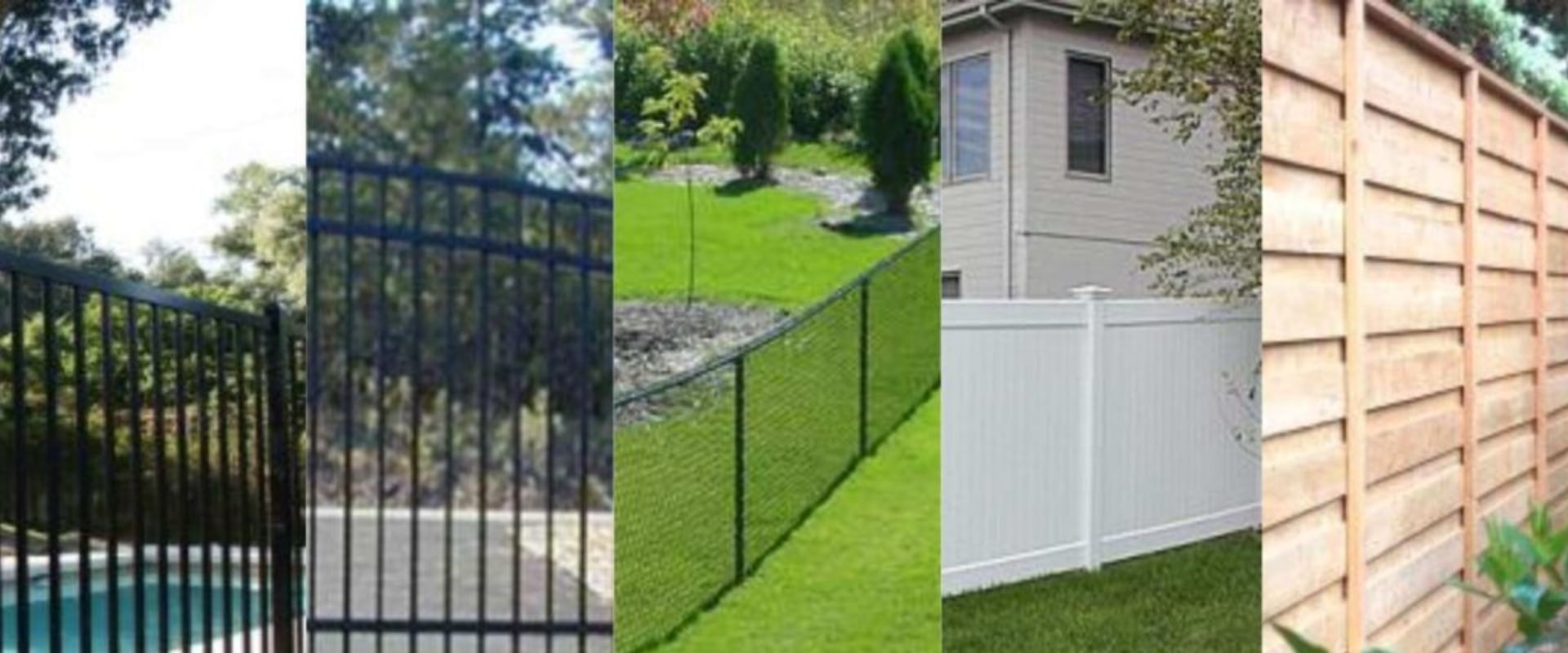
When it comes to evaluating fence contractors, one of the most critical aspects to consider is the type of materials they use for installations. The choice of fencing material not only affects the overall aesthetic appeal of your property but also impacts durability, maintenance, and cost. Additionally, some contractors may offer temporary storage solutions for materials during the installation process, which can be an important factor for homeowners. Understanding these materials can empower homeowners to make informed decisions and select the right contractor for their specific needs. Different fencing materials come with their own set of advantages and disadvantages. , one of the most critical aspects to consider is the type of materials they use for installations. The choice of fencing material not only affects the overall aesthetic appeal of your property but also impacts durability, maintenance, and cost. Additionally, some contractors may offer temporary storage solutions for materials during the installation process, which can be an important factor for homeowners. Understanding these materials can empower homeowners to make informed decisions and select the right contractor for their specific needs. Different fencing materials come with their own set of advantages and disadvantages.
For instance, wood is a popular choice due to its natural beauty and versatility, but it requires regular maintenance to prevent rot and insect damage. On the other hand, vinyl fencing offers a low-maintenance alternative that can mimic the look of wood without the upkeep. Metal options, such as aluminum and wrought iron, provide strength and security but may come at a higher price point. By familiarizing yourself with these materials, you can better assess the recommendations made by potential contractors. Moreover, a reputable contractor should be able to explain why they prefer certain materials over others based on your specific requirements.
This dialogue not only helps in choosing fence contractors who are knowledgeable but also ensures that you are investing in a solution that aligns with your long-term goals. As we delve deeper into this topic, we will explore various fencing materials in detail, helping you understand what to look for when evaluating your options.
Common Materials Used by Fence Contractors
When evaluating fence contractors, understanding the materials they use is crucial for making an informed decision. The choice of fencing material can significantly impact the durability, aesthetics, and maintenance of your fence. Here are some of the most common materials used by fence contractors:- Wood: Wood is a traditional fencing material that offers a natural look and can be customized easily.
Common types include cedar, pine, and redwood. While wood fences can provide excellent privacy and are relatively affordable, they require regular maintenance to prevent rot and insect damage.
- Vinyl: Vinyl fencing has gained popularity due to its low maintenance requirements and durability. It is resistant to fading, cracking, and pests, making it a long-lasting option. However, vinyl can be more expensive upfront compared to wood.
- Metal: Metal fences, including aluminum and wrought iron, are known for their strength and security.
They are ideal for properties that require a robust barrier. While metal fences can be more costly than wood or vinyl, they often last longer and require less upkeep.
- Composite: Composite fencing combines wood fibers and plastic to create a material that mimics the appearance of wood while offering enhanced durability. This option is resistant to rot and insects, making it a great choice for those seeking a balance between aesthetics and longevity.
Vinyl Fencing: Durability and Maintenance
When considering fencing materials, vinyl fencing stands out for its remarkable durability and low maintenance requirements.Unlike traditional wood fences, which can warp, rot, or require frequent painting and staining, vinyl fences are designed to withstand the elements without compromising their structural integrity.
Benefits of Vinyl Fencing
- Durability: Vinyl fences are made from high-quality PVC, making them resistant to fading, cracking, and peeling. This longevity means that homeowners can enjoy their fence for years without the need for replacement.
- Low Maintenance: One of the most significant advantages of vinyl fencing is its minimal upkeep. A simple wash with soap and water is usually sufficient to keep it looking new, unlike wood that may require regular treatments.
- Aesthetic Options: Vinyl fencing comes in a variety of styles and colors, allowing homeowners to choose a design that complements their property. From classic white picket fences to modern privacy panels, the options are virtually limitless.
Vinyl vs.
Wood Fencing
When comparing vinyl fencing to wood fencing, several factors come into play:
- Cost: While the initial investment for vinyl may be higher than wood, the long-term savings on maintenance and replacement costs make it a more economical choice over time.
- Environmental Impact: Vinyl is often considered more environmentally friendly as it does not require chemical treatments like wood does. Additionally, many vinyl products are recyclable.
- Aesthetic Longevity: Wood can fade and lose its charm over time due to weather exposure, while vinyl maintains its color and appearance without the need for repainting.
Vinyl Fence Maintenance
The maintenance of a vinyl fence is straightforward. Regular cleaning with a garden hose or pressure washer can remove dirt and debris. For tougher stains, a mixture of mild detergent and water can be applied with a soft cloth or sponge.
This ease of maintenance is one of the key reasons many homeowners opt for vinyl over wood.In conclusion, when evaluating fence contractors, understanding the benefits of vinyl fencing can help you make an informed decision. Its durability, low maintenance needs, and aesthetic versatility make it an excellent choice for any property.
Metal Fencing: Types and Applications
When evaluating fence contractors, understanding the types of metal fencing they offer is crucial. Metal fencing is known for its durability and security, making it a popular choice for both residential and commercial applications. The two most common types of metal fencing are aluminum and steel, each with its unique characteristics and benefits.Aluminum Fencing
Aluminum fencing is lightweight, resistant to rust, and requires minimal maintenance.It is an excellent choice for homeowners looking for an elegant yet durable option. Aluminum fences are often used in:
- Residential properties: They provide a stylish boundary without obstructing views.
- Pools: Aluminum fences are ideal for pool enclosures due to their corrosion resistance.
- Commercial properties: They offer a professional appearance while ensuring security.
Steel Fencing
Steel fencing, on the other hand, is known for its strength and security. It is heavier than aluminum and can withstand more force, making it suitable for high-security areas. Steel fences are commonly used in:- Industrial sites: They provide robust protection against intruders.
- Commercial properties: Steel fences can deter theft and vandalism effectively.
- Agricultural settings: They are often used to contain livestock or protect crops.
Both materials offer longevity and can enhance the value of your property when installed by experienced fence contractors. Ultimately, the right choice will depend on your specific needs and the environment in which the fence will be installed.
Composite Fencing: The Best of Both Worlds?
When evaluating fence contractors, one material that often stands out is composite fencing. This innovative option combines the natural beauty of wood with the durability of plastic, creating a product that offers the best of both worlds.Advantages of Composite Fencing
- Resistance to Rot and Insects: Unlike traditional wood, composite materials are engineered to resist decay and insect damage, making them a long-lasting choice for homeowners.
- Low Maintenance: Composite fences require minimal upkeep compared to wood. They do not need regular staining or sealing, which can save time and money in the long run.
- Aesthetic Appeal: Available in a variety of colors and textures, composite fencing can mimic the look of natural wood while providing a more uniform appearance.
- Eco-Friendly Options: Many composite materials are made from recycled plastics and wood fibers, appealing to environmentally conscious consumers.
Composite vs Wood Fencing
While both composite and wood fencing have their merits, there are key differences to consider.
Wood fencing is often less expensive upfront but may incur higher long-term costs due to maintenance needs. In contrast, composite fencing may have a higher initial price but offers greater durability and lower maintenance costs over time.
Potential Downsides
- Cost: The initial investment for composite fencing can be significantly higher than that of traditional wood options, which may deter some homeowners.
- Heat Retention: Composite materials can absorb heat, making them warmer to the touch in direct sunlight compared to wood.
Factors to Consider When Choosing Fencing Materials
When choosing fencing materials, several critical factors come into play that can significantly influence your decision. Understanding these factors will help you select the best materials for your specific needs.- Climate: The local climate is a primary consideration.
For instance, areas with high humidity may require materials resistant to rot, such as vinyl or aluminum, while regions prone to extreme temperatures might benefit from materials that can withstand expansion and contraction, like wood or composite.
- Purpose: Determine the primary purpose of your fence. Are you looking for privacy, security, or simply a decorative boundary? For privacy, taller wooden or vinyl fences are ideal, while chain-link fences may suffice for security without obstructing visibility.
- Budget: Your budget will also dictate your options. While wood may be less expensive initially, it often requires more maintenance over time compared to materials like vinyl or metal. Consider both the upfront costs and long-term maintenance expenses when evaluating your choices.
- Aesthetic Preferences: The visual appeal of your fence is essential.
Different materials offer various styles and finishes. For example, wrought iron provides a classic look, while modern composite materials can mimic the appearance of wood without the upkeep.
FAQs About Fence Installation Materials
When considering fence installation materials, many homeowners have questions about the options available and their respective benefits. Here are some common inquiries:- What are the most popular materials used for fences?
Common materials include wood, vinyl, chain link, and metal. Each has its own advantages, such as wood's natural aesthetic, vinyl's low maintenance, chain link's affordability, and metal's durability. - How do I choose the right material for my fence?
Consider factors like your budget, desired aesthetics, maintenance requirements, and the purpose of the fence (e.g., privacy, security, or decoration). - Are there eco-friendly options for fencing?
Yes! Bamboo and recycled materials are becoming increasingly popular for those looking to minimize their environmental impact. - What is the lifespan of different fence materials?
Wood can last 10-15 years with proper care, vinyl can last over 20 years, chain link typically lasts 15-20 years, and metal fences can last 30 years or more. - Do different materials require different levels of maintenance?
Absolutely.Wood requires regular staining or sealing to prevent rot, while vinyl is generally low-maintenance. Chain link may need occasional rust treatment if not coated.
Conclusion: Making an Informed Choice in Fence Installation
In conclusion, selecting the right fence contractor is a critical step in ensuring that your fencing project meets your expectations and stands the test of time. Throughout this article, we have explored the various materials commonly used by fence contractors, including wood, vinyl, aluminum, and chain link.Each material has its own set of advantages and disadvantages, making it essential to consider your specific needs and preferences.When evaluating potential contractors, pay close attention to the following key factors:
- Material Quality: Ensure that the contractor uses high-quality materials that are durable and suitable for your climate.
- Expertise and Experience: Look for contractors with a proven track record in installing the type of fence you desire.
- Customer Reviews: Check online reviews and testimonials to gauge customer satisfaction and reliability.
- Warranty and Maintenance: Inquire about warranties on both materials and workmanship, as well as any maintenance services offered.