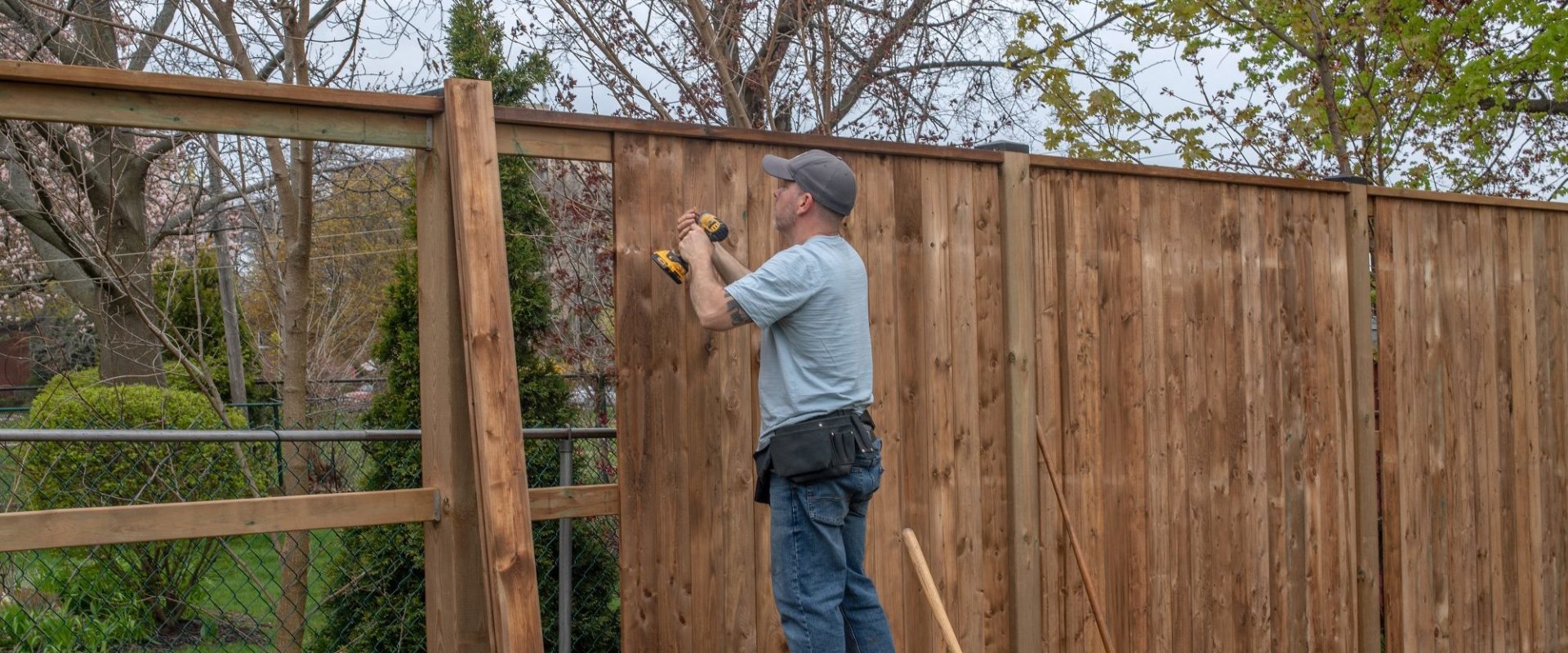
When evaluating fence contractors, one of the most critical factors to consider is whether they carry adequate insurance coverage. This aspect not only reflects the professionalism of the contractor but also serves as a safety net for both parties involved in the project. The nature of fencing work often involves various risks, from potential injuries on the job site to property damage during installation. Without proper insurance, these risks can lead to significant financial burdens, much like the complexities involved in Understanding Child Support in Atlanta GA.For instance, if a contractor accidentally damages a client's property while installing a fence, the costs associated with repairs could be substantial. . This aspect not only reflects the professionalism of the contractor but also serves as a safety net for both parties involved in the project. The nature of fencing work often involves various risks, from potential injuries on the job site to property damage during installation. Without proper insurance, these risks can lead to significant financial burdens, much like the complexities involved in Understanding Child Support in Atlanta GA. For instance, if a contractor accidentally damages a client's property while installing a fence, the costs associated with repairs could be substantial.
In such cases, having contractor liability insurance ensures that these expenses are covered, protecting both the contractor and the homeowner from unexpected financial strain. Furthermore, workers' compensation insurance is essential for safeguarding against injuries that may occur on-site, ensuring that workers receive necessary medical care without placing the financial responsibility on the contractor or client. Ultimately, understanding the importance of insurance in the fencing industry is crucial for making informed decisions. A well-insured contractor not only demonstrates their commitment to quality and safety but also provides peace of mind to clients who want assurance that their investment is protected. As you evaluate potential fence contractors, prioritize those who can provide proof of comprehensive insurance coverage, as this can be a key indicator of their reliability and professionalism.
Types of Insurance Coverage Commonly Held by Fence Contractors
When evaluating fence contractors, understanding the types of insurance coverage they hold is crucial for ensuring both your safety and the quality of work.Here are the most common types of insurance that reputable fence contractors typically carry:
- General Liability Insurance: This is perhaps the most essential type of insurance for any contractor. It protects against claims of bodily injury or property damage that may occur during the installation or repair of fences. For instance, if a worker accidentally damages your property or someone gets injured on-site, general liability insurance can cover the costs associated with these incidents.
- Workers' Compensation Insurance: This type of insurance is vital for protecting both the contractor and their employees. If a worker is injured while working on your fence, workers' compensation insurance provides coverage for medical expenses and lost wages.
This not only safeguards the workers but also shields you from potential lawsuits related to workplace injuries.
- Commercial Auto Insurance: Since fence contractors often use vehicles to transport materials and equipment to job sites, commercial auto insurance is necessary. This coverage protects against accidents involving company vehicles, ensuring that any damages or injuries resulting from such incidents are covered.
How to Verify a Fence Contractor's Insurance Coverage
When hiring a fence contractor, it’s crucial to verify their insurance coverage to protect yourself from potential liabilities. Here are practical steps to ensure you’re hiring a qualified professional:- Request Proof of Insurance: Ask the contractor for a copy of their insurance certificate.
This document should clearly outline the types of coverage they have, including general liability and workers' compensation.
- Check the Coverage Limits: Ensure that the coverage limits are adequate for your project. A good rule of thumb is to look for at least $1 million in general liability coverage.
- Contact the Insurance Provider: Don’t just take the contractor’s word for it. Call their insurance company to confirm that the policy is active and that the coverage details match what was provided.
- Look for Additional Insured Status: If you want extra protection, ask if you can be added as an additional insured on their policy. This can provide you with direct coverage in case of any incidents.
- Review Exclusions: Carefully read through the insurance policy to understand any exclusions that may apply.
This will help you know what is not covered in case of an accident.
What Happens If a Fence Contractor Lacks Insurance?
Hiring a fence contractor who lacks insurance can expose homeowners to significant risks and consequences. Understanding these implications is crucial for making an informed decision.Risks of Uninsured Contractors
One of the primary risks associated with hiring an uninsured contractor is the potential for financial liability. If an accident occurs on your property during the installation or repair of a fence, you may be held responsible for any injuries sustained by the contractor or their employees. This could lead to costly medical bills and legal fees.Consequences of Hiring Uninsured Contractors
- Property Damage: If the contractor damages your property or that of a neighbor while working, you could be liable for repairs.
Without insurance, the contractor may not have the means to cover these costs, leaving you to foot the bill.
- Legal Issues: In the event of a dispute, having an uninsured contractor can complicate matters. You may find yourself in legal battles over contracts, damages, or injuries, which can be time-consuming and expensive.
- Lack of Accountability: Uninsured contractors may not adhere to industry standards or regulations, leading to subpar work. If issues arise post-installation, you might struggle to hold them accountable for repairs or corrections.
Legal Implications
The legal implications of hiring an uninsured fence contractor can be severe. In many states, contractors are required to carry certain types of insurance.If you hire someone who does not comply with these regulations, you could face fines or penalties. Additionally, if a lawsuit arises from an incident involving an uninsured contractor, your homeowner's insurance may not cover the costs associated with that lawsuit.In summary, opting for an uninsured fence contractor can lead to serious financial and legal repercussions. It is essential to verify a contractor's insurance coverage before proceeding with any fencing project to protect yourself from potential liabilities.
Frequently Asked Questions About Fence Contractor Insurance
When considering fence contractors, many homeowners have questions about the importance of insurance coverage. Here are some frequently asked questions regarding contractor insurance that can help clarify your understanding:- Do all fence contractors need insurance?
Yes, reputable fence contractors should have insurance to protect both themselves and their clients.This typically includes liability insurance, which covers damages or injuries that may occur during the project.
- What types of insurance should a fence contractor have?
A qualified fence contractor should carry several types of insurance, including:- General Liability Insurance: Covers property damage and bodily injury.
- Workers' Compensation Insurance: Protects workers in case of job-related injuries.
- Commercial Auto Insurance: Covers vehicles used for business purposes.
- How can I verify a contractor's insurance?
You can ask the contractor for proof of insurance, which should include the name of the insurance company, policy number, and coverage limits. Additionally, you can contact the insurance provider directly to confirm the validity of the policy. - What happens if a contractor is uninsured?
If a contractor does not have insurance and an accident occurs, you may be held liable for any damages or injuries. This can lead to significant financial burdens, making it crucial to hire insured professionals. - Can I require a contractor to have specific coverage?
Absolutely! As a homeowner, you can specify the types and amounts of coverage you expect from your contractor. This ensures that you are adequately protected throughout the project.
Always prioritize working with insured contractors to safeguard your investment and peace of mind.
Conclusion: Ensuring Peace of Mind with Insured Fence Contractors
In conclusion, hiring insured fence contractors is not just a wise choice; it is essential for ensuring peace of mind throughout your fencing project. As we have discussed, the presence of insurance coverage protects both you and the contractor from unforeseen circumstances that may arise during the installation process.Key Benefits of Hiring Insured Fence Contractors:
- Liability Protection: If an accident occurs on your property, having an insured contractor means that you are not held liable for any injuries or damages that may happen.
- Quality Assurance: Insured contractors are often more reputable and committed to maintaining high standards in their work, knowing they have coverage to back them up.
- Financial Security: In the event of property damage or accidents, insurance can cover the costs, saving you from unexpected expenses.
By prioritizing this aspect during your selection process, you can ensure a smoother project experience and protect yourself from unnecessary risks.